In-Store Displays for Betting Shops: The Complete Guide
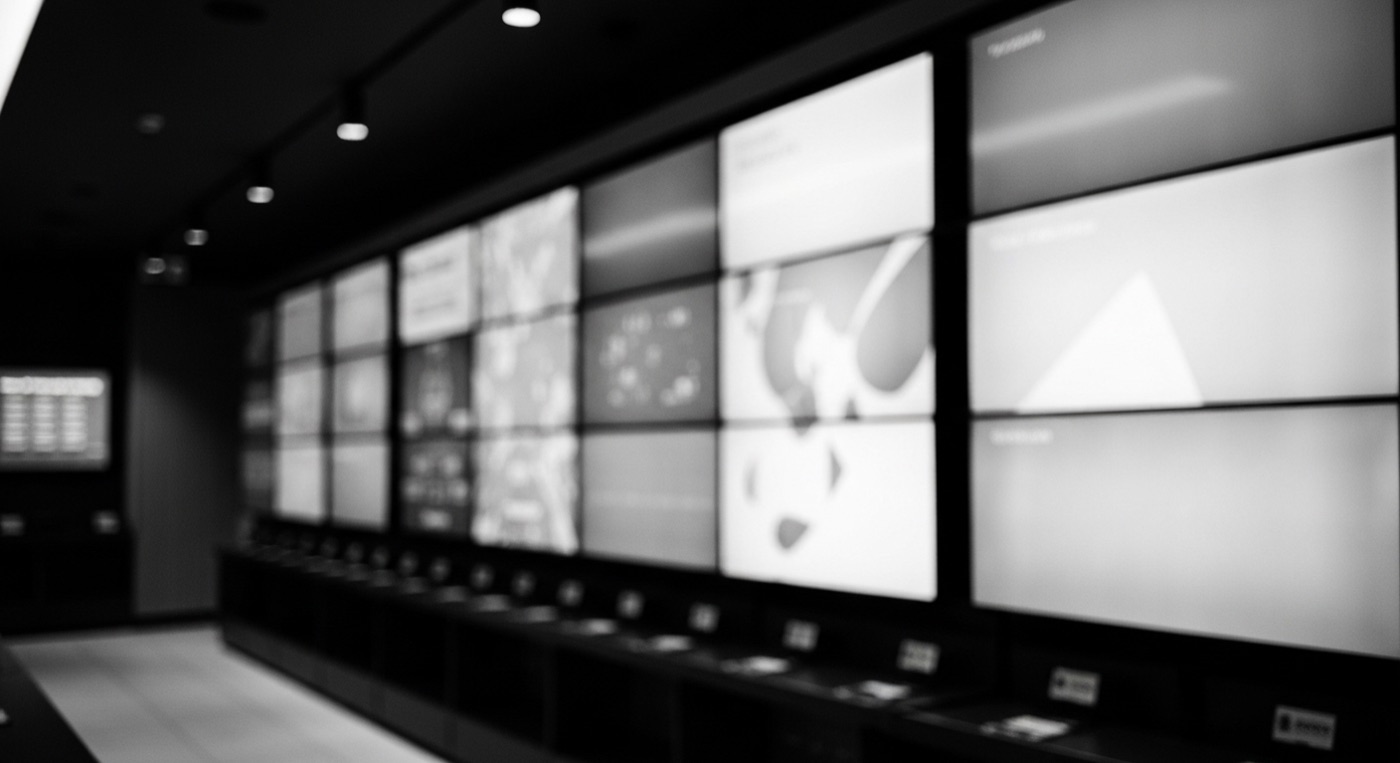
The screens on a betting shop wall do more than fill space. They set the pace of the room, move punters from one market to the next, and quietly shape how professional a branch feels. This guide covers what to put on those screens, the hardware question every operator runs into, what a display estate actually costs, and how to run one across dozens of branches without losing your weekends to it.
Why in-store displays matter
Walk into a well-run betting shop and the displays are doing a job before anyone says a word. Live prices pull the eye to the next race. A results board settles a bet without a queue at the counter. A clean lotto countdown nudges an impulse purchase. None of this is decoration. It is the difference between a branch that feels current and one that feels like it stopped updating in 2014.
For an operator, the screens are also the most visible expression of the brand inside the shop. They are on for every trading hour, seen by every customer, and they shape the impression a punter forms in the first ten seconds. That makes the display system one of the highest-leverage pieces of retail technology a bookmaker owns, and one worth getting right rather than inheriting by default.
What to put on the screens
A betting shop is not one audience. It is several, standing in the same room with different interests, so the display mix should reflect that. In practice, most branches are built from a handful of core boards:
- Sport for live fixtures and prices across the day's events, covered in how to display live sports odds in-store.
- Horse and greyhound racing for race cards, runners, prices and results, the busiest board in most branches. See horse racing display boards.
- Lottery and numbers games for draw results and countdowns, covered in lottery and numbers game displays.
- A multi-game view that rotates through products, invaluable for smaller branches or secondary screens where wall space is tight.
The art is in the curation, not the quantity. A wall of ten cluttered screens reads as noise; four clear, purpose-built boards read as a professional operation. We break the layout down spot by spot in what screens a betting shop should have.
The hardware question: browser-based vs proprietary
This is where most display decisions are quietly won or lost. The traditional model ties each screen to a proprietary media player and a supplier contract: specialist boxes, specialist support, and a bill that recurs whether or not anything improves. It works, but it locks you in and makes every change someone else's job.
The alternative that has taken over is browser-based. The display is simply a web page rendered on a low-cost player or smart screen. There is no specialist hardware to source, no proprietary box to replace when it fails, and updates ship the moment they are published.
The shift is the same one the rest of retail technology already made: away from locked-in hardware, toward software that runs on whatever screen you already have.
For most operators the browser-based route lowers both the upfront spend and the running cost, and it removes the most frustrating part of legacy systems. We go deeper on the trade-offs in browser-based vs hardware display systems.
What in-store displays cost
There is no single sticker price, because three things move the number:
- How many screens. Counter, walls and windows across each branch, multiplied by your estate.
- Which data feeds. Live odds, racing and results feeds carry licensing and integration cost; the more real-time and the more sports, the higher the floor.
- Hardware model. Proprietary players plus support contracts versus low-cost screens running a browser. This is usually the largest swing in total cost of ownership.
The trap is to compare only the upfront quote. A cheap install on a locked-in platform can cost far more over three years once support fees, change requests and hardware replacements are counted. The honest comparison is total cost of ownership, laid out in the cost of in-store betting displays.
Key takeaway
Judge a display system on what it costs to run, not just to install. The hardware model, browser-based or proprietary, is usually the difference that compounds over the life of the estate.
Rolling out across every branch
A single shop is easy. The real test is an estate: twenty, fifty, a hundred screens across branches, all needing to show the right thing at the right time. The question that decides whether a display system is a help or a headache is simple: when you change something, how does that change reach every screen?
On a legacy estate the answer too often involves visiting branches or scheduling engineer time. On a well-built browser-based estate, each display pulls its content centrally and checks for updates on its own, so one change made once appears everywhere within minutes. That single capability is what makes a large estate manageable, and it is the focus of keeping in-store screens updated across every branch.
Where to start
If you are reviewing your displays, start with two questions. First, are the boards on your wall actually the ones your customers look at, or just the ones you inherited? Second, when you want to change something, can you, or does it belong to someone else? Most operators find the honest answers point the same way: toward fewer, clearer, purpose-built boards on a system they control.
That is the entire premise Carthage is built on: modern, browser-based betting displays with no specialist hardware, designed to be rolled out and updated across every branch from one place. See the full range of display solutions or book a demo.
Frequently asked questions
Do betting shop displays need special hardware?
Not necessarily. Browser-based display systems run on a standard screen with a low-cost player or smart display, removing the need for proprietary media boxes and the contracts attached to them.
How much do in-store betting displays cost?
Cost is driven by the number of screens, the data feeds you need, and whether the system is browser-based or proprietary hardware. Browser-based systems typically lower both the upfront hardware spend and the ongoing maintenance cost.
How are screens kept up to date across many branches?
With a browser-based estate, displays pull their content centrally and check for updates automatically, so a single change reaches every branch without visiting each screen.
See it on your own wall
Carthage builds browser-based display systems for betting retail: sport, racing, numbers and multi-game boards, rolled out across every branch with no specialist hardware.
Book a DemoRelated insights

Browser-Based vs Hardware Display Systems: What Bookmakers Should Know
Media players and proprietary boxes versus a browser and a screen. Where each makes sense, and what it means for cost and upkeep.

The Cost of In-Store Betting Displays: What Drives the Price
A straight answer on what you actually pay for, and where the hidden costs in legacy systems hide.

Keeping In-Store Screens Updated Across Every Branch
The unglamorous problem that decides whether a display estate works: pushing changes to dozens of screens without driving to each one.