Horse Racing Display Boards: Race Cards, Results and Live Prices
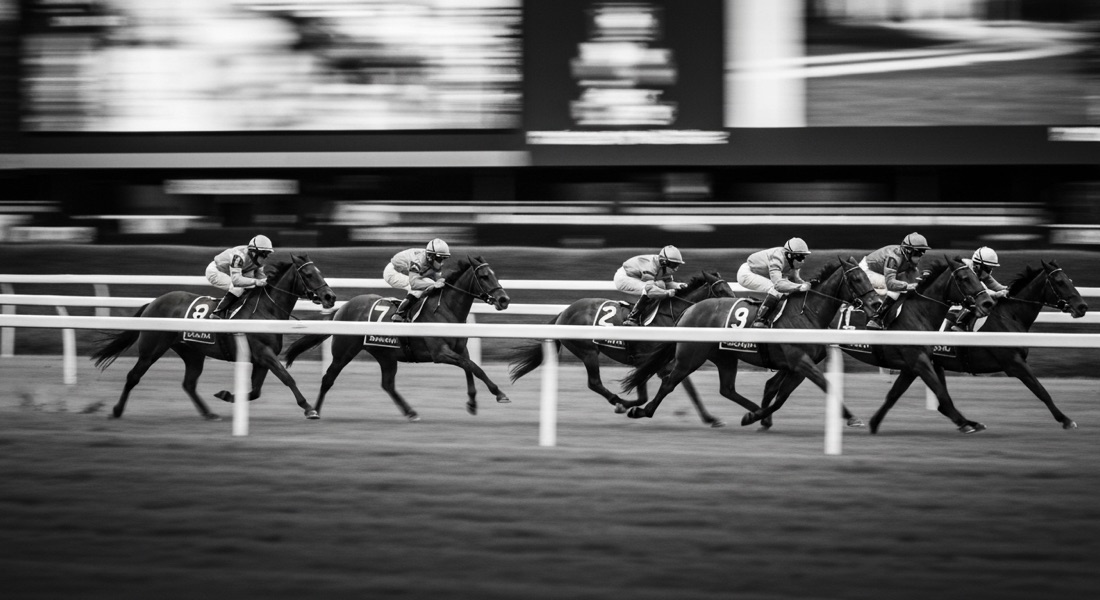
The racing board is the busiest screen in most betting shops. It carries more information than any other display, it updates constantly, and punters read it closely rather than glance at it. That makes it the board where small details matter most. Here is what a good one shows and what sits behind it.
Why the racing board carries the shop
Racing runs all day, across multiple meetings, with a fresh race every few minutes. For a serious racing punter the board is the reason they are in the shop, and they expect it to keep up: the next off, the runners, the prices, and the result moments after the line. A racing board that lags or thins out loses exactly the customer it should hold.
What a good racing board shows
A strong board moves a punter through the full cycle of a race without them asking a question:
- The next off and a clear running order of upcoming races across meetings.
- The race card: runners, numbers, jockeys and silks, laid out to scan quickly.
- Live prices that move as the market moves, with shortening and drifting easy to spot.
- Results and the finishing order promptly after each race, so a bet can be checked without a queue.
Key takeaway
The racing board is judged on completeness and timing: the right runners, current prices, and a result that appears promptly. Gaps in any of those are what punters notice first.
How the data reaches the board
Behind the board is a racing data feed supplying cards, prices and results. The display consumes that feed and redraws as each race progresses. Because there is so much content and it changes so often, the board has to manage space intelligently, rotating or paging through meetings rather than trying to show everything at once.
A browser-based board does this without proprietary hardware, holding a live connection and updating in place. It is the same foundation described in browser-based vs hardware display systems, applied to the most data-heavy screen in the shop.
The details punters actually look for
Regular racing customers read for specifics: silks to identify a runner at a glance, a non-runner clearly marked rather than silently dropped, and a price they can trust is current. Getting these small things right is the difference between a board that looks the part and one a punter actually relies on.
Where the racing board fits
Racing usually sits at the centre of the main wall, alongside sport and numbers boards. For how the whole wall comes together, see what screens a betting shop should have and the complete guide to in-store displays for betting shops. Carthage racing displays are built on this approach.
Frequently asked questions
What should a horse racing display board show?
The next off and running order, full race cards with runners and silks, live prices that move with the market, and results promptly after each race so bets can be checked.
How quickly should results appear on the board?
As soon as they are confirmed. A prompt result is one of the most valued features of a racing board, because it lets customers check a bet without queuing at the counter.
How does a racing board handle many meetings at once?
It manages screen space by rotating or paging through meetings rather than cramming everything on at once, keeping each race card readable while still covering the full day's racing.
See it on your own wall
Carthage builds browser-based display systems for betting retail: sport, racing, numbers and multi-game boards, rolled out across every branch with no specialist hardware.
Book a DemoRelated insights
In-Store Displays for Betting Shops: The Complete Guide
Everything a bookmaker needs to know about retail display systems in 2026: what to put on screen, the hardware question, costs, and rolling out across every branch.
What Screens Should a Betting Shop Have? A Floor-by-Floor Breakdown
A walk through a typical branch, counter, walls and windows, and the display that earns its place in each spot.
How to Display Live Sports Odds In-Store (Without Expensive Kit)
Getting accurate, fast-moving prices onto the wall, and keeping them there reliably through a busy Saturday.